


Not enough hours, not enough days, never enough space between one thing and the next. We usually talk about time as though it were a quantity problem. The solution, we assume, is more; more efficiency, more systems, more mornings reclaimed before the world starts asking things of us.
Psychologists who study memory have long noticed a strange asymmetry: the stretches of time that race by while you live them are often the ones that loom largest afterward, and the ones that feel ordinary enough to forget can vanish from memory entirely. Routine compresses. Novelty expands. A single afternoon in an unfamiliar city can feel, in retrospect, longer than a month of ordinary Tuesdays.
Which means the question isn’t really how much time we have. It’s what we do with our attention inside it.
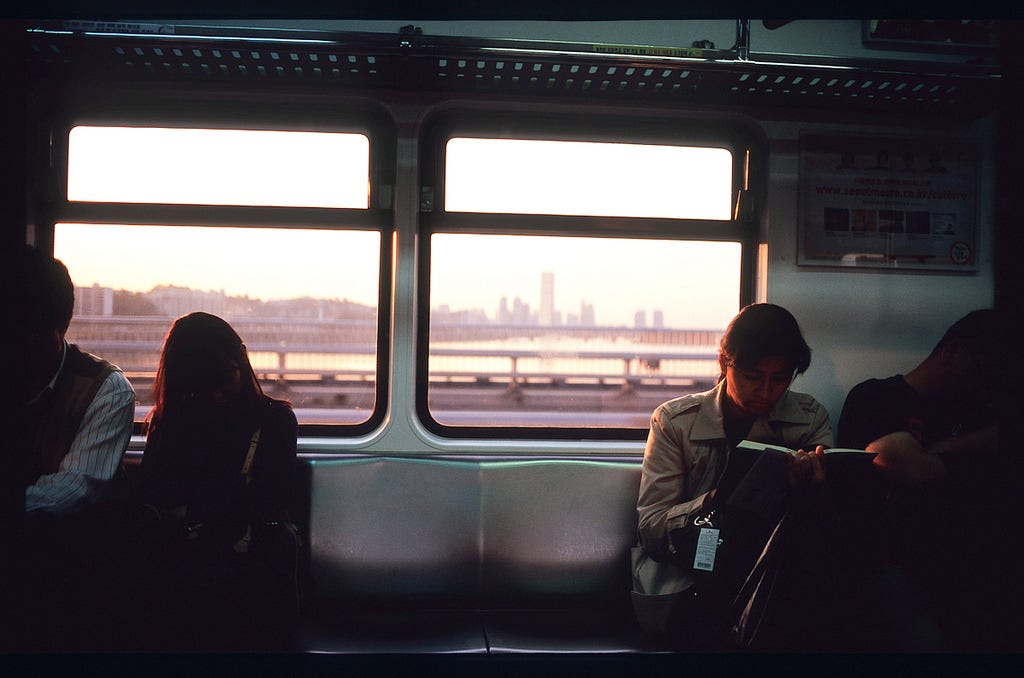
A life of rich experience doesn't require more hours. It requires more moments that are actually worth remembering.
Artists have always understood this intuitively. The painter laboring over a single square inch of canvas isn’t being inefficient — they’re doing something else entirely. They’re refusing to let a moment pass without being fully inside it. It’s a way of giving time somewhere to gather. Time expands because the attention is whole.
This is why a walk without headphones can sometimes last longer in memory than three hours online. Not because it contained more events, but because more of us was available to receive it.
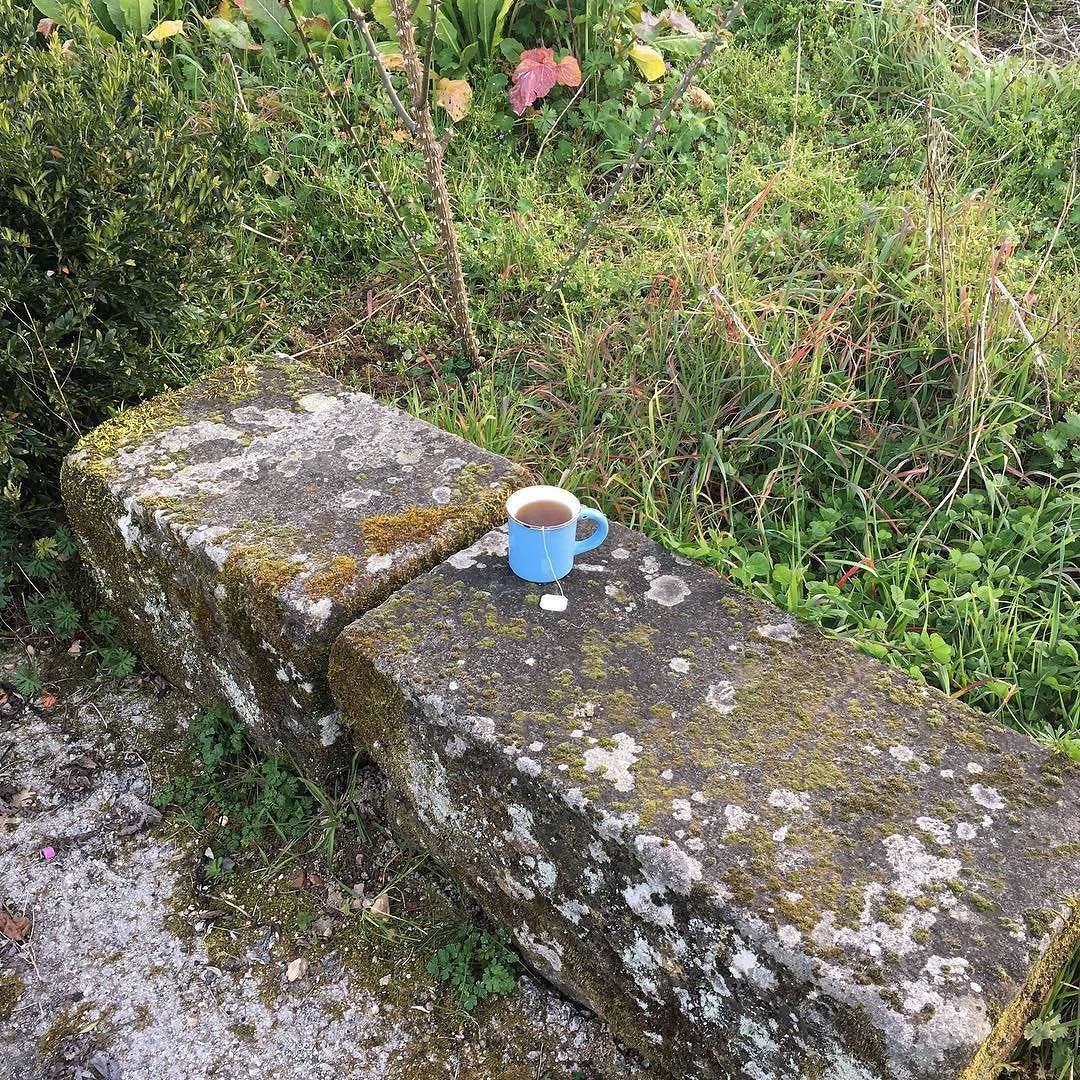
Most of us live the opposite way. We move through days quickly and wonder, at the end of them, where they went. We fill evenings with things designed to be consumed rather than remembered, and wake up Tuesday having retained almost nothing of Monday, then reach the weekend faintly startled that a week went by.
There’s nothing wrong with rest, ease, or even forgetting. It’s about the difference between time that passes and time that registers. Between a life measured in hours and a life measured in moments you can actually find when you go looking for them.
.
THE QUESTION
When you look back at this week, what will you actually be able to find?