
There is a particular kind of blindness that has nothing to do with your eyes.
It sets in slowly, politely, without announcing itself. It happens to cities you’ve lived in too long, to faces you know too well, to the view from a window you’ve looked through a thousand times. The world doesn’t disappear exactly; it just stops registering. Familiarity is the mind’s way of filing things away as already handled, freeing up attention for whatever feels newer, more unresolved.
It’s an efficient system that keeps us alive. It’s also a kind of loss.
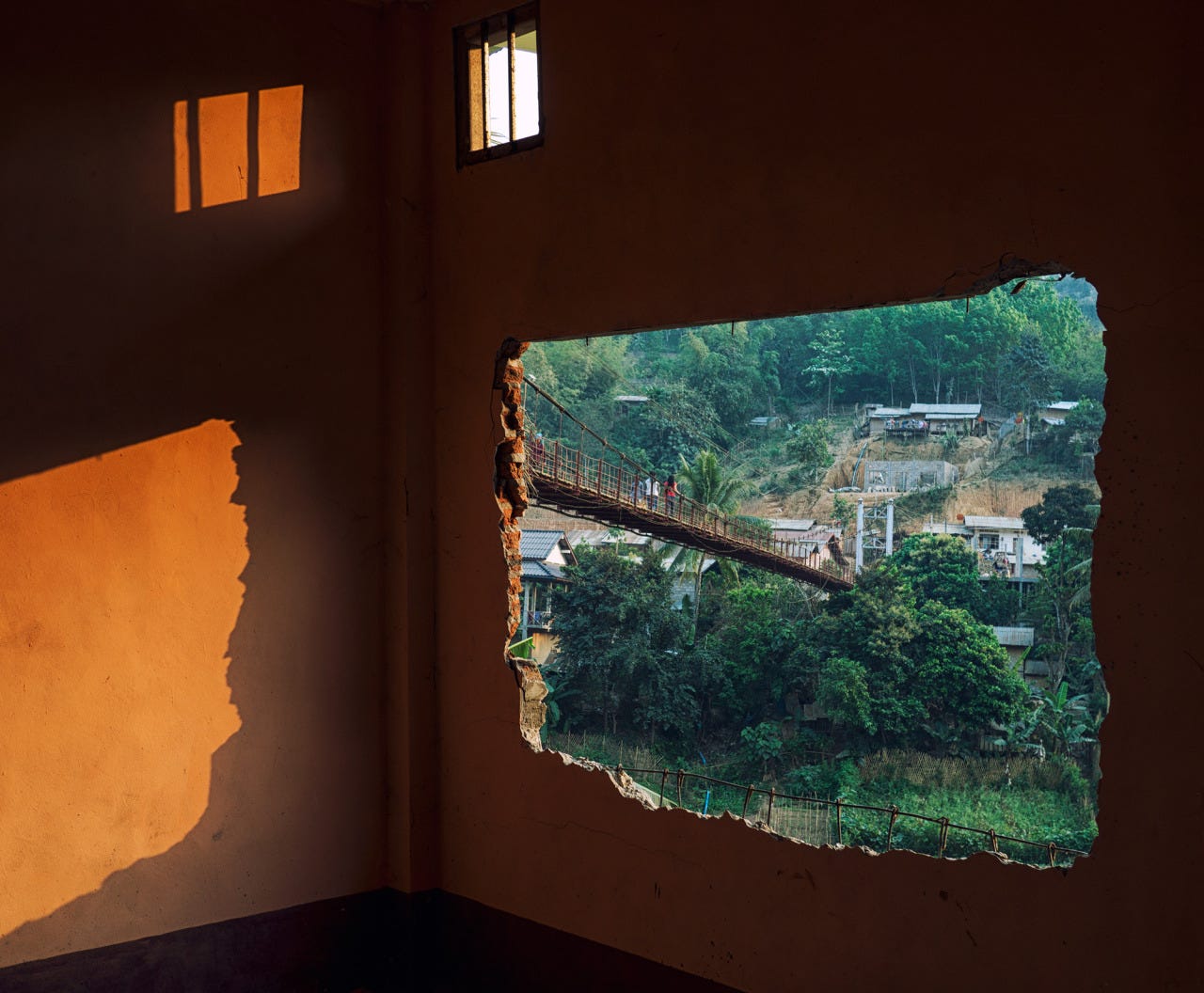
Painters have understood this for centuries. The rest of us tend to grasp it only in reverse. You notice the soft square of light on the floor the day you’re moving out of it. You really look at a person’s face the moment you understand you won’t see it again. It may be that attention is a resource we don’t hand over easily. It has to be pried open.
Art is one of the few things that can do the prying.
It takes the thing we thought we had already seen and places it back in front of us, strange again.
Vermeer spent his life painting the same rooms, the same domestic light falling through the same leaded windows, the same ordinary women doing the same unremarkable things. Pouring milk. Reading a letter. Standing at a window. He made fewer than forty paintings in a lifetime. By the numbers, almost nothing. But what he was doing was training the eye to see what was really in front of him. To let the familiar become strange enough to become beautiful.
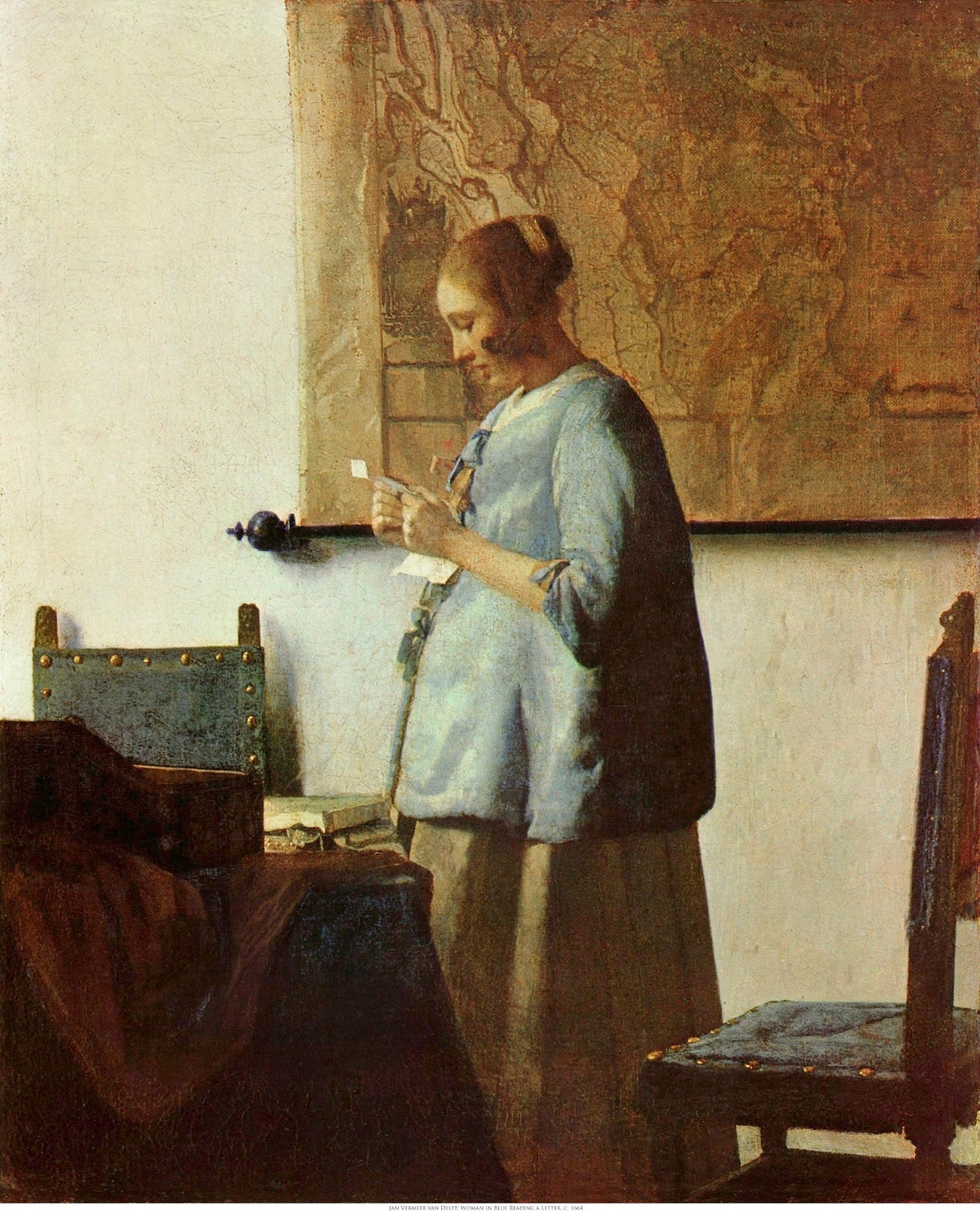
Woman in Blue Reading a Letter by Johannes Vermeer
It’s a way of looking, and it can be learned. You can train yourself back into attention. Back into the world. Back into the particular.
Because something strange happens when you sit with art long enough. Like Edward Hopper’s lonely diners with people sitting under electric light as if they’ve been awake too long inside their own lives. Or Carrie Mae Weems’s photographs of typical rooms and familiar gestures, people eating, sitting, waiting, carrying the whole weight of their lives in their face. Something in you reorganizes. You walk out of the gallery and the street looks different. More present. More worth the attention you almost didn’t give it.
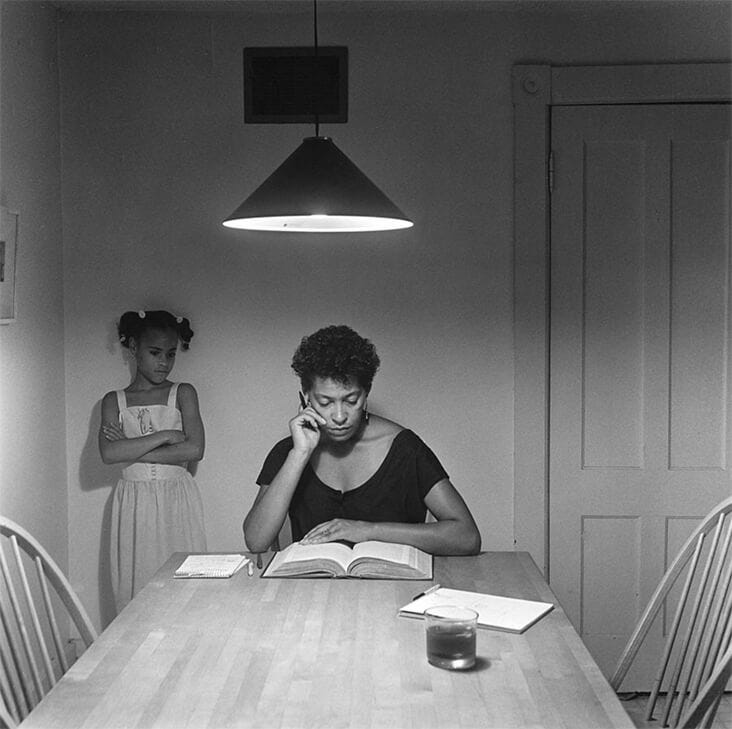
Kitchen Table Series (1990) by Carrie Mae Weems
Art’s gift is to lend you another person’s eyes long enough that you learn to use your own
The philosopher Simone Weil wrote that attention is the rarest and purest form of generosity. She meant it as something close to a spiritual discipline. The gift of truly attending to what's in front of you. But I think it applies as well to the way we move through the world. The ride to work. The walk around the neighborhood. The faces we pass without really seeing. To really look at a thing is to let it back into the circle of what you care about. To refuse to let the world go invisible on you.
In the end, that's what good art does. Not just show you something new. But remind you how to look.
This month, I’ve found a few things worth looking at.