
Here is something that took the neuroscientists a while to discover, and that most of us still haven’t fully absorbed. Memory isn’t retrieval. It is construction. Every time you summon a moment from the past—a childhood kitchen, a face you loved, a favorite birthday gathering from ten years ago; your brain is not opening a file. It is building the memory again from scratch, using new neurons, in real time.
Which means the version you can access is the version you are currently authoring.
This is less of a metaphor and more of a description of what is physically happening in your skull the moment you say I remember. The past is not somewhere you go. It is something you make, over and over, each time you turn toward it. And it changes each time you make it, because you are changing, and the tools you are using to build it are changing with you.
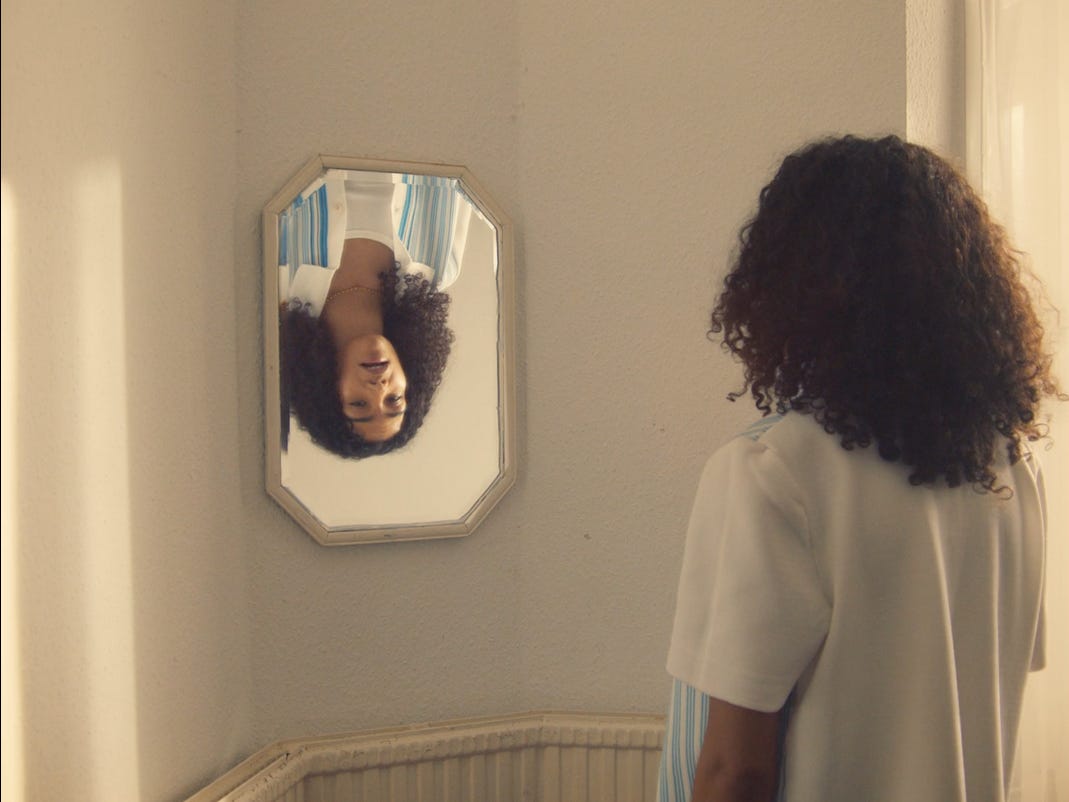
The poet Ocean Vuong has a line about this that has stayed with me. He points out that the Greek root of poet is poiētēs—one who makes. To be a poet is to be a maker. Which means that to remember is to be a poet. Every act of recollection is an act of creation. Every contact with the past is a small, unconscious composition.
This should trouble us more than it does. Most of us live as though our memories were a private vault, sealed off from the person we’ve become. We assume our past is fixed, even when everything else about us isn't. But the past turns out to be the least fixed thing about us. It shifts every time we go looking for it.
Which brings us, strangely, to art.
Because the same thing happens when you return to a painting you’ve seen before. The first time you stood in front of it, you saw one thing. When you come back a year later. After a season of grief, or a change of job, or the slow settling of an idea you couldn’t have named the first time it drifted through your mind. The painting hasn’t changed. The pigments are the same. The composition is the same. But the encounter is not the same, because you’re not the same, and the painting you’re now looking at is being seen by a different person than the one who looked before.
This is why the art that matters to us are the ones we return to. Not the ones we just happen upon but the ones we come back to, and back to, and each time find something we couldn’t have found the time before. The novel you first read in a college is not the same novel you flip through at thirty. The strange movie that meant nothing to you at twenty means something now that you cant quite explain, and will mean something else again at fifty.
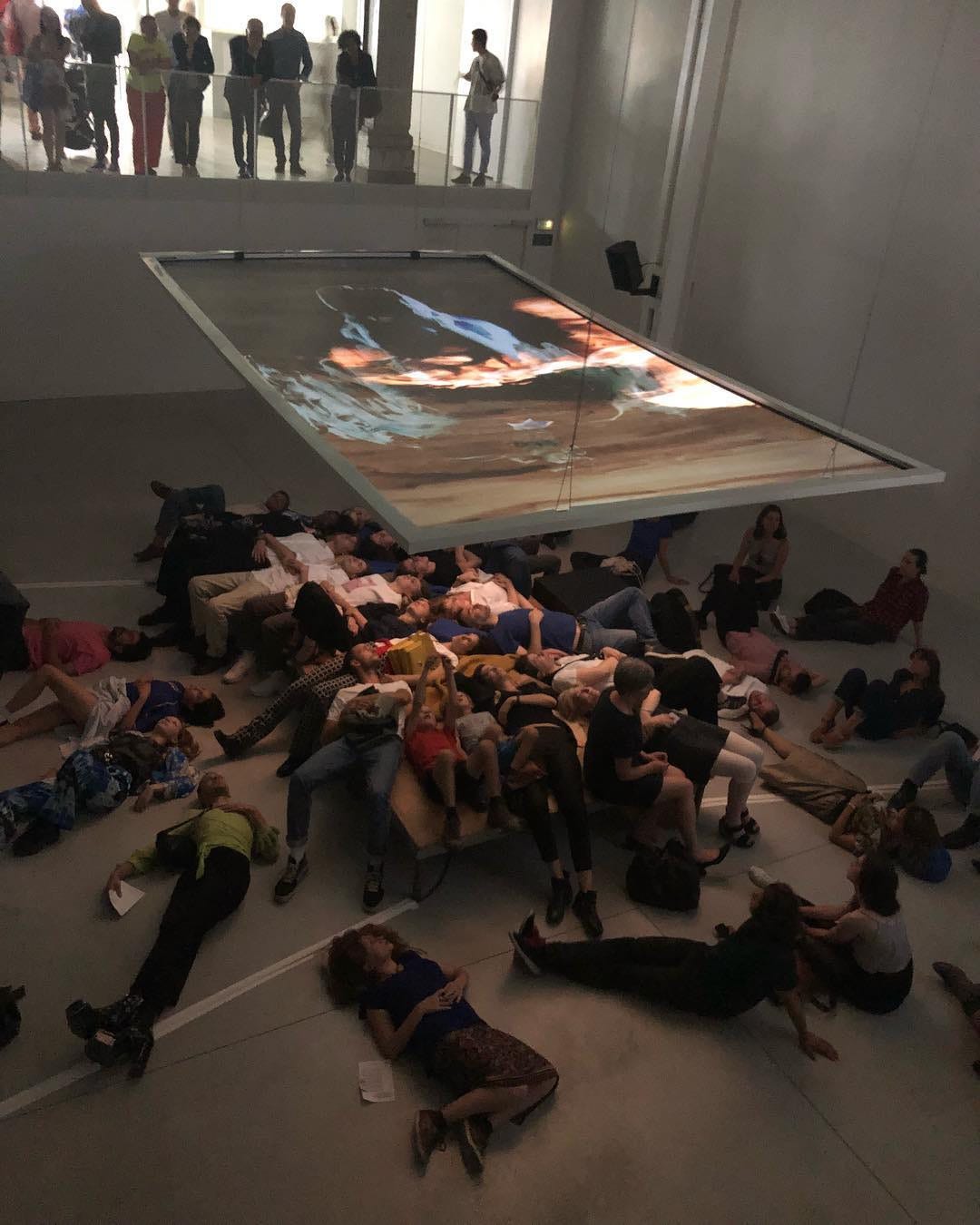
The art has been quietly waiting. What has been arriving, in different forms each time, is you.
Which suggests something worth carrying into the museum this month, and into everything else. That the works you have already seen and experienced are not finished with you. That the second look is often more honest than the first. That familiarity, in this one specific sense, is not the end of an encounter. It’s the beginning of a longer conversation, in which you and the work are both being remade.
And that maybe one of the most powerful things a work of art can do is not show us something new, but show us that we have become someone new since we last looked.
The exhibitions worth catching this month follow.