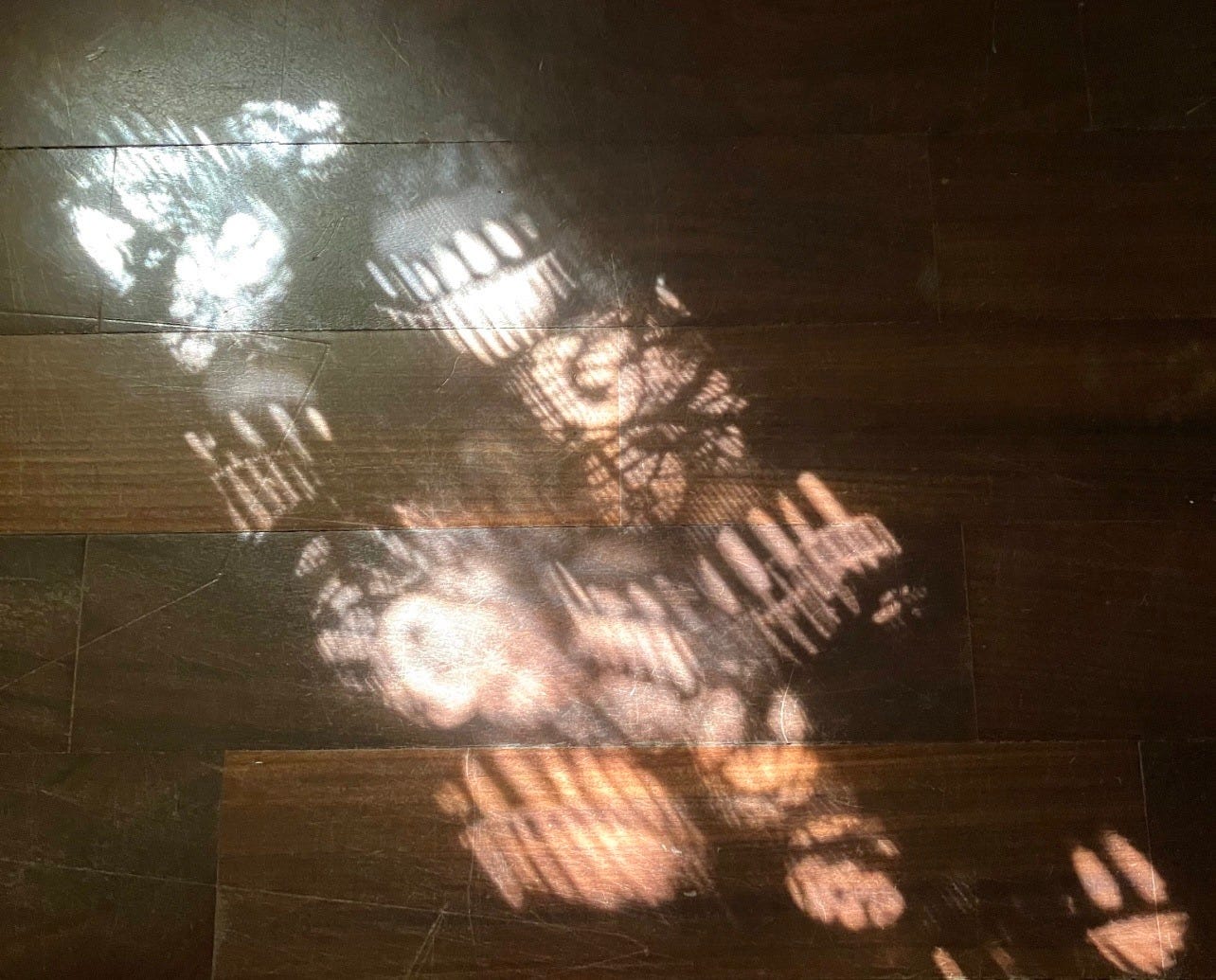
There’s a good chance you came across a painting today and didn’t recognize it as such. Not because it wasn’t really worth your attention, but because it didn’t appear in the usual habitat where we’ve been taught to look for art. It might have been the way morning light settled across your kitchen counter, or the accidental composition framed by a passing window on your drive to the store. But you moved on. Most of us tend to.
Over time, we’ve developed a set of habits around seeing. Like an informal rulebook that tells us when and where our attention is required. Museums, galleries, white walls, careful lighting: these are the chosen places where looking becomes a more conscious act. Outside of them, perception narrows. We filter, we pass by.
This is the unspoken deal we’ve made with art: we’ll give it our attention, but only under certain conditions. Only when it announces itself properly.
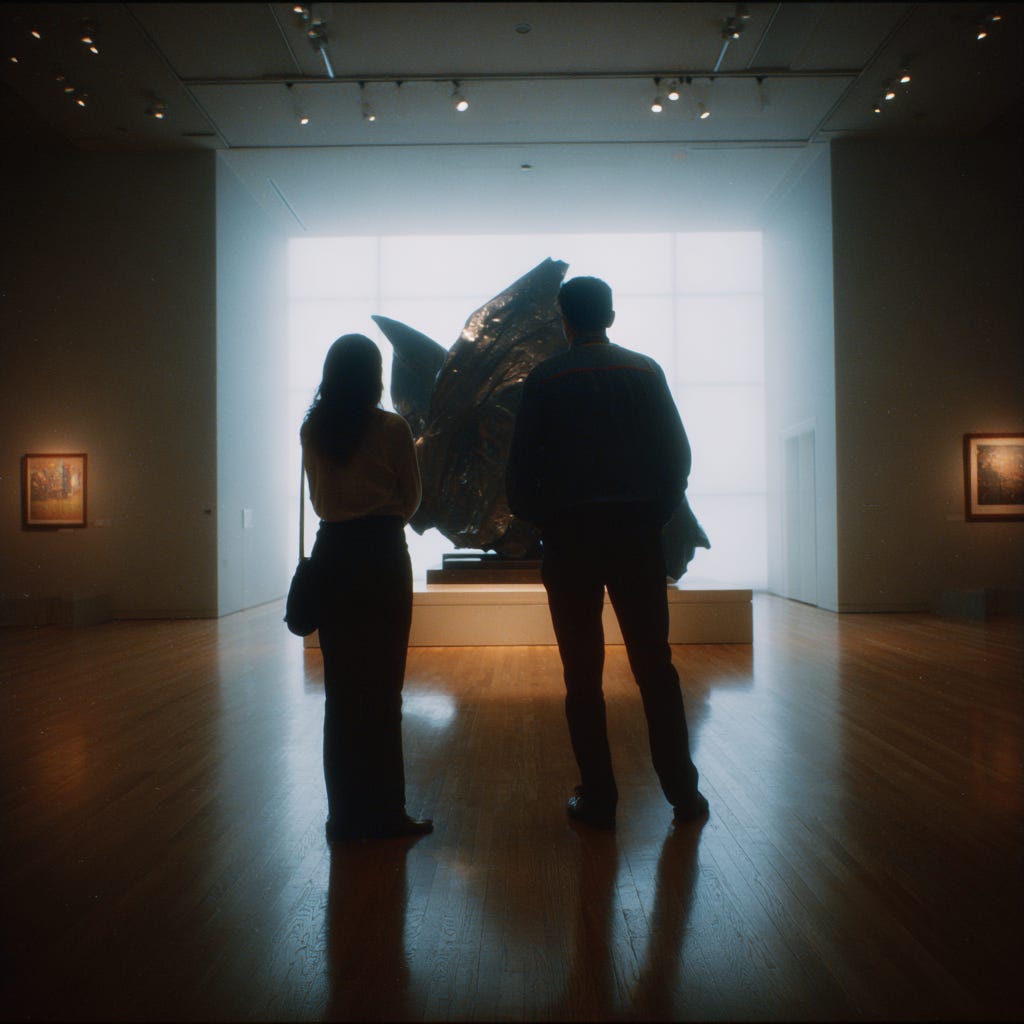
What this newsletter hopes to do is renegotiate that deal. Of course, I’ll still point you toward exhibitions worth your time. I’ll tell you what’s quietly extraordinary in a back room of a gallery you’ve probably drove past . But just as important is another question. One that doesn’t depend on a ticket or an opening night: what is art doing for us, really? And how might it change the texture of an ordinary day?
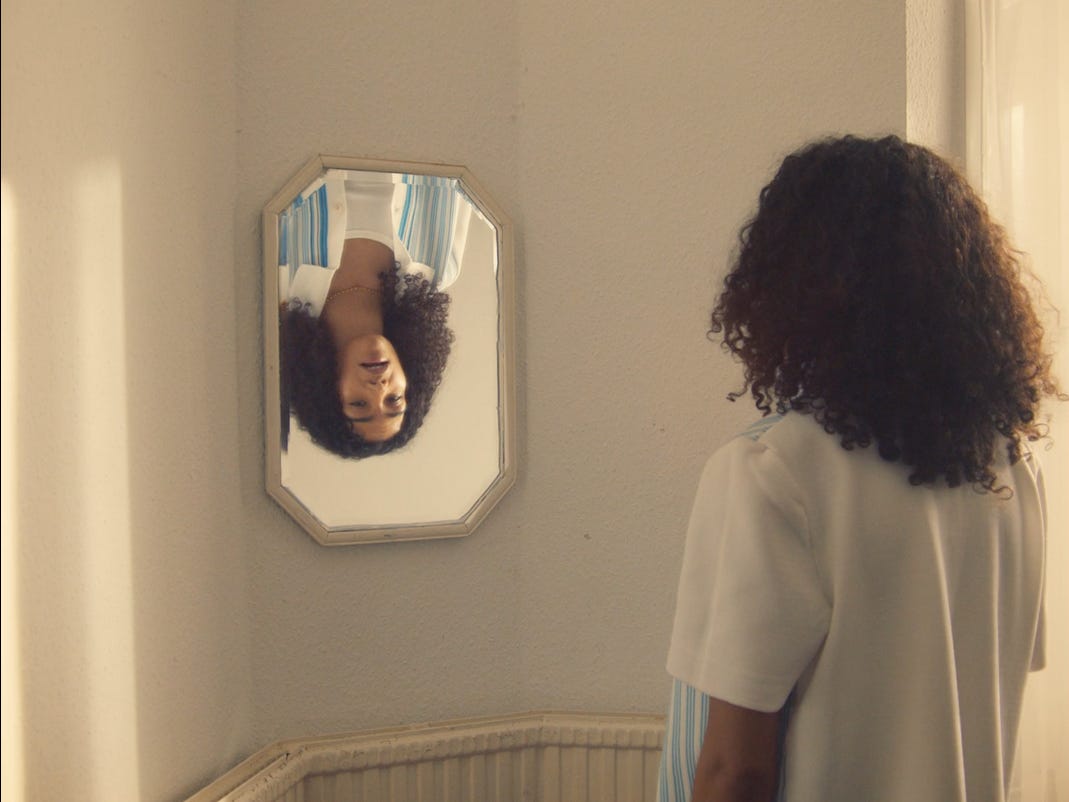
The philosopher Alain de Botton says that art’s primary function isn’t just to please the eye, but to restore it. In other words to sharpen a dulled sensitivity, to help us notice again what we’ve stopped seeing. In that sense, the artist isn’t inventing new worlds so much as recovering this one, by stripping away the film of familiarity that often dulls everything.
It’s about the unnoticed details and beauty already threaded into your day and the slow art of learning how to see them again.