


Watch anyone in a gallery long enough and you’ll see the gesture: a step toward the painting, the phone raised, the photo snapped, a step away. The whole thing takes about four seconds. I’m not judging. My camera roll holds a great many paintings I have no memory of standing in front of.
The psychologist Erich Fromm had a name for what happens in those four seconds. He thought that we live in two modes—the having mode and the being mode. In the having mode, we meet our needs by attaining and controlling things because some needs work that way. You need to have water, a roof. But other needs can’t be met by possession. You can’t have maturity; you become mature. You can’t have honesty; you become honest. English keeps the distinction for us: we say people have sex, but that they are in love.
Fromm believed that trouble begins when we pursue a need of the second kind with the tools of the first. Wanting to become secure, we accumulate. Wanting to be loved, we collect admirers or followers. The acquisitions pile up, and the need stays exactly where it was. He called this a confusion of modes, and thought it ran through most of modern life.
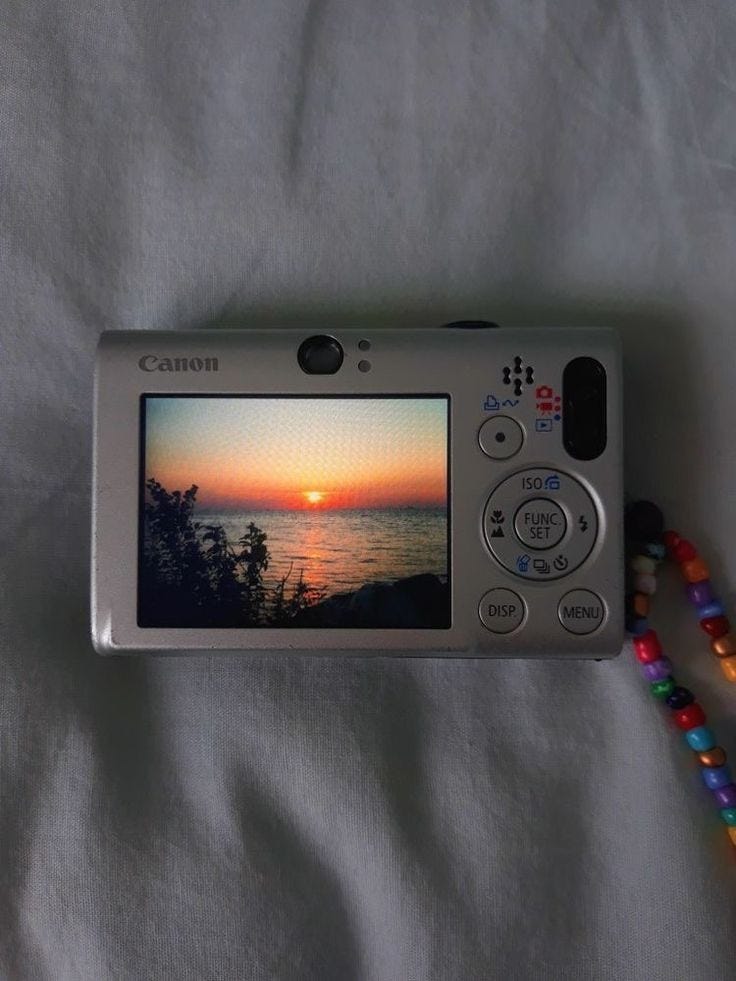
What we want from art belongs to the second kind. We come to be moved, steadied; to leave from the experience slightly different from the person who walked in. This is the main idea from the book Art as Therapy: art is a tool for supplying something our character lacks. But a tool like that only works if we let it work on us, and nothing that works on us can be owned.
The museum, meanwhile, offers endless ways to own. A photograph. The gift shop. Another exhibition crossed off a list. These aren’t bad things. The trouble is only that each lets us feel like we completed the experience without having had it. We leave with the painting in our pocket, and otherwise unchanged.
Success in the having mode is leaving with something; success in the being mode is leaving different. The difference doubles as a test: in front of any art, there is an honest answer to what would count as success, and the answer tells you which mode you're standing in.
The awkward part is that the being mode produces nothing to show. There’s no image, no proof. From the outside it looks like a person standing still. Which is exactly why the having mode wins so often: it always hands you a receipt, and just being with a painting never does.
Fromm believed the confusion ran through nearly everything, love pursued as possession, rest pursued as purchase. A self assembled like an inventory of what it can show to others. He may have been right about all of it. I think the gallery is simply a good practice room, where the whole confusion becomes visible; four seconds at a time.
The Art Signal - Art Openings and Show Guide Below
